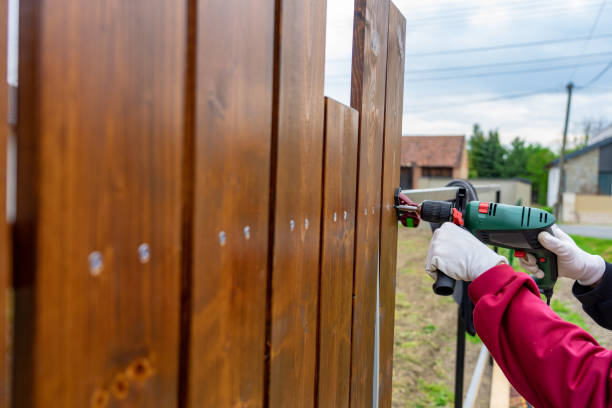
Installing a new fence is an excellent way to enhance your property’s privacy, security, and aesthetic appeal. However, one of the most common questions homeowners ask is how long it takes to complete the installation process. The time required for installing a fence depends on several factors, including the size of your property, the type of fencing materials used, and site-specific conditions such as terrain or obstructions. Below is a detailed breakdown of what you should expect when planning for a new fence installation.
Steps in Fence Installation Process
- Site Preparation (1 day): Clearing debris, marking property lines, and verifying underground utilities with local authorities.
- Post Installation (1-2 days): Digging holes for fence posts; this process alone could be delayed if soil conditions are poor.
- Attaching Panels and Rails (2+ days): Installing prefabricated panels or assembling custom designs based on material choice.
- Finishing Touches (1 day): Painting/staining wood fences or adding decorative elements if required.
Tips for Efficient Fence Installation
To ensure that your project stays on track: – Hire experienced professionals who are familiar with local terrain and weather patterns. – Obtain necessary permits ahead of time to avoid legal setbacks. – Consider pre-ordering materials to prevent supply chain delays.
By understanding these factors and planning accordingly, you can set realistic expectations about how long it will take for your fence installation project while ensuring high-quality results tailored to your needs.
Factors That a Fencing Contractor Gainesville FL Considers for Installation Time
The time it takes to install a new fence can vary significantly depending on a variety of factors. Proper planning and understanding these elements are essential for ensuring smooth and timely completion of your fencing project. Below, we delve into key factors that influence how quickly your fence installation can be completed.
1. Size of the Property and Fence Length
- Larger Properties: The more extensive the area to be fenced, the longer the installation will take. A property requiring hundreds of linear feet of fencing will naturally demand more time than a smaller yard.
- Fence Height: Taller fences may require additional installation steps, such as deeper post holes or extra bracing for stability.
2. Type of Fencing Material
- Wood Fencing: While wood is a popular choice for its classic appearance, it may require additional prep work like staining or weatherproofing, which can add to the timeline.
- Vinyl Fencing: Pre-fabricated panels make vinyl fences quicker to install compared to traditional wood options.
- Chain-Link Fencing: Easier and faster to install due to its simple design, making it suitable for larger properties.
- Metal Fencing (Wrought Iron/Aluminum): These often require more time due to their weight and need for precise alignment.
- Composite Fencing: Installation times are comparable to wood but may include added complexity depending on manufacturer-specific designs.
| Material Type | Relative Installation Time | Notes |
| Wood | Moderate | Requires staining/painting for durability |
| Vinyl | Faster | Pre-fabricated panels simplify installation |
| Chain-Link | Fastest | Ideal for large areas; minimal customization |
| Wrought Iron | Slower | Heavier material; requires precision |
| Composite | Moderate | Durable but may include complex assembly |
3. Soil and Ground Conditions
- Soft Soil: Easier to dig but may require additional concrete or support for stability.
- Rocky or Clay Soil: Requires specialized tools or techniques, slowing down the process.
- Uneven Terrain: Grading or leveling uneven ground adds both time and complexity.
If obstacles like tree roots, large rocks, or existing structures are in the way, additional preparation will be necessary before installing posts.
4. Weather Conditions During Installation
- Wet weather (rain or snow) leads to delays as digging becomes difficult and concrete setting slows down.
- Extreme heat can pose challenges for workers and affect material flexibility (e.g., vinyl).
Planning installations during mild seasons often ensures fewer interruptions.
5. Crew Experience and Project Scale
- Larger projects might involve multiple teams working simultaneously.
- Smaller-scale residential fences generally take less time compared to industrial/commercial projects requiring heightened security features.
Properly accounting for these factors when planning your fence installation can save you time, money, and unnecessary stress. By understanding what influences installation speed—be it materials used, property size, ground conditions, or external environmental factors—you’ll be better equipped to manage expectations while ensuring high-quality results.
Understanding Permit Regulations for Fence Repair Gainesville FL Gainesville FL
When planning a fence installation project, understanding and adhering to local permit regulations is one of the most critical steps to ensure a smooth process. Permits are often legally required and help ensure that your new fence complies with zoning laws, safety guidelines, and community standards. Failing to secure the necessary permits can result in fines, delays, or even having to dismantle your fence.
Why Are Permits Necessary?
- Compliance with Zoning Laws: Local governments use permits to ensure fences are built in compliance with zoning regulations. These laws dictate where you can place your fence, its height restrictions, and the materials allowed.
- Boundary Clarification: Permits help prevent disputes between neighbors by ensuring the fence boundaries align with property lines.
- Safety Standards: Certain areas have specific requirements for fences near pools, playgrounds, or busy streets to prioritize safety.
- Aesthetic Consistency: Some communities or homeowner associations (HOAs) have guidelines ensuring fences maintain a cohesive look throughout the neighborhood.
How To Determine If You Need a Permit
- Residential properties often allow shorter fences (up to 6 feet) without permits.
- Fences exceeding this height typically require approval.
- Some jurisdictions regulate specific materials such as chain link or wrought iron based on safety or aesthetic concerns.
- Fences placed close to sidewalks, roads, or neighboring properties often require clearance from local authorities.
- Areas near wetlands, protected trees, or wildlife habitats may have additional restrictions.
Steps for Obtaining a Fence Permit
- Research local regulations through municipal offices or online portals.
- Dimensions (height/length)
- Materials
- Location relative to property lines
- Submit an application along with relevant documents such as site maps or drawings.
- Pay any applicable fees (fees vary by jurisdiction).
- Wait for approval before initiating construction.
| Requirement | Description |
| Application Fee | Typically ranges between $20-$200 depending on the city |
| Processing Time | Can take anywhere from 1 day to several weeks |
| Additional Documentation | May include HOA approval letters or environmental impact assessments |
Common Challenges With Fence Permits
- Lengthy Approval Times: Depending on workload at municipal offices, getting approval can take several weeks.
- Understanding HOA Rules: If you live in an area governed by an HOA, their guidelines may differ from city requirements and might necessitate dual approvals.
- Unexpected Fees: In some cases, additional fees could arise if inspections are needed during construction.
Avoiding Problems During Installation
- Consult professionals who understand local regulations during the planning phase.
- Communicate openly with neighbors when installing fences near shared boundaries.
- Ensure all paperwork is completed before any physical work begins.
By taking permit requirements seriously upfront and addressing potential challenges proactively, you’ll save time and money while ensuring your new fence meets all legal standards for durability and design suitability.
Permit Regulations and Why They Are Essential for Fence Installation
When installing a new fence on your property, permit regulations are a critical aspect that often gets overlooked. However, understanding and adhering to these regulations is necessary to avoid potential legal or financial setbacks. Permits serve as a safeguard, ensuring that your project complies with local zoning laws, safety standards, and neighborhood agreements.
Why Are Permits Important?
- Compliance with Local Laws
Every municipality has specific building codes and zoning laws that dictate where and how fences can be installed. For instance: - Height restrictions: Some areas may only allow fences up to a certain height, especially in front yards.
- Setback requirements: Regulations often dictate how far your fence must be set back from property lines or sidewalks.
- Avoiding Penalties
Failure to obtain the required permits could lead to fines or even forced removal of your fence. This can result in significant financial losses due to wasted materials and labor costs. - Ensuring Safety Standards
Permits ensure that your fencing project meets structural integrity standards, which helps prevent accidents like collapses during extreme weather conditions. - Maintaining Neighborhood Aesthetic Rules
Homeowner associations (HOAs) or community guidelines often require specific fencing styles or materials for aesthetic consistency within neighborhoods.

How to Determine If You Need a Permit
- Fence height (e.g., taller than 6 feet might trigger permit requirements).
- Proximity to public spaces such as sidewalks or roads.
- Use of specialized materials like concrete footings or electric components (for gates).
- Historical property designation – fences in heritage areas may have stricter permitting rules.
Steps for Securing a Fence Installation Permit
- Research Local Regulations
Contact your local government office or visit their website to review fencing ordinances in your area. - Prepare Necessary Documents
Gather the following: - A site plan showing property boundaries and where the fence will be installed.
- Specifications on dimensions, materials, and design details.
- Submit Your Application
Submit the completed application along with any required fees. Review timelines may vary from a few days to several weeks depending on your municipality. - Inspections (If Required)
Some jurisdictions require pre-construction inspections or post-installation approvals to ensure compliance.
Common Challenges with Permits
| Challenge | Solution |
| Lack of knowledge about rules | Consult local building offices early. |
| Delays in approval | Submit applications well ahead of time. |
| Conflicts with HOA guidelines | Ensure HOA approval before proceeding. |
Understanding permit regulations upfront minimizes complications during installation while ensuring peace of mind throughout the project’s lifecycle.
Overcoming Ground-Level Obstructions During Fence Installation
Installing a fence may seem like a straightforward process, but ground-level obstructions can complicate the task significantly. Whether you’re dealing with uneven terrain, large rocks, tree roots, or existing structures, overcoming such obstacles requires planning, the right tools, and specific techniques. Here’s a breakdown of common ground-level challenges and practical ways to address them.
Common Ground-Level Obstructions
- Tree Roots: Mature trees often have extensive root systems that can interfere with digging fence postholes.
- Rocks and Boulders: Rocky soil or large embedded stones can make excavation challenging.
- Sloped or Uneven Terrain: Installing a fence on a slope requires careful adjustment to maintain both functionality and appearance.
- Existing Structures: Utility lines, old fencing, or adjacent buildings may limit where posts and panels can be installed.
- Drainage Issues: Poorly drained soil can cause long-term instability for your fence.
Strategies to Address Common Obstructions
- Use manual post hole diggers to work around smaller roots without causing damage to nearby trees.
- For larger roots that cannot be cut without harming the tree, reposition the post location slightly while maintaining structural integrity.
- Utilize heavy-duty augers or rock auger attachments designed for handling tough digging conditions.
- If immovable boulders block your path, consider anchoring the post aboveground using concrete footings instead of traditional below-ground installation.
- Choose between two common approaches:
- Stepped Fencing: Install each panel level while adjusting post heights incrementally along the slope.
- Racked Fencing: Follow the natural contour of the slope by angling panels slightly during installation.
- Stepped fencing works well for sharper grades; racked fencing is ideal for gentle slopes.
- Contact utility companies prior to digging to locate any underground pipes or electrical lines (many jurisdictions require this as part of permitting).
- Use specialized tools like reciprocating saws if old fences need partial demolition before new installations.
- Avoid placing posts directly in areas prone to standing water; poor drainage leads to accelerated wood rot or rust in metal fences.
- Add gravel at the base of postholes before inserting posts to improve water runoff and stability.
Tools You May Need
| Tool | Purpose |
| Post Hole Digger | Manual digging for precise hole placement |
| Power Auger | Speeds up excavation in tough soil |
| Reciprocating Saw | Cuts through wood roots or existing structures |
| Level | Ensures proper alignment on uneven ground |
| Gravel/Shovel | Improves drainage at post bases |
Professional Assistance
For particularly challenging sites with significant obstructions—such as dense rock beds or steep slopes—hiring professionals might be worth considering. Contractors often have access to advanced equipment and expertise that ensures proper installation despite difficult site conditions.
Addressing ground-level obstructions effectively not only enhances installation efficiency but also ensures your fence remains stable and functional over time with minimal maintenance needed down the road.
Key Considerations When Planning a Fence Installation Project
Planning a fence installation project involves several critical factors to ensure that the outcome meets your needs, complements your property, and stays within your budget. By carefully considering various elements before starting the installation process, you can avoid potential challenges and streamline the project.
Define Your Purpose and Goals
- Privacy: For seclusion from neighbors or street traffic.
- Security: To safeguard your property from intruders.
- Aesthetics: To enhance curb appeal and match your property’s design.
- Safety: To protect children, pets, or livestock by creating a boundary.
- Noise Reduction: To minimize external noise in urban or busy areas.
By prioritizing these goals, you can narrow down suitable fencing options.
Choose the Right Material
| Material | Benefits | Drawbacks | Best For |
| Wood | Natural appearance; customizable | Requires regular maintenance | Privacy fences, decorative designs |
| Vinyl | Low maintenance; long-lasting | Higher upfront cost | Modern properties |
| Chain-link | Cost-effective; durable | Limited privacy | Security and functional purposes |
| Aluminum | Rust-resistant; lightweight | Less sturdy than steel | Decorative fences |
| Wrought Iron | Elegant and strong | Expensive; requires upkeep | High-end aesthetic projects |
Evaluate each material based on local weather conditions, desired lifespan of the fence, and available budget.
Assess Property Boundaries
Understanding property boundaries is essential to avoid disputes with neighbors later. Verify these boundaries using official survey documents or by consulting with a surveyor if necessary. This step ensures that your fence is installed within legal limits while avoiding encroachment on adjoining properties.
Understand Local Regulations
Check local zoning laws and homeowner association (HOA) guidelines before finalizing your project plans. Permits are often required for fences over certain heights or in specific locations. Failing to adhere to local regulations can lead to fines or even removal of the installed fence.
Some common regulatory aspects include: – Maximum allowable height for front-yard versus backyard fencing. – Restrictions on materials in certain neighborhoods. – Rules regarding proximity to sidewalks or public areas.
Contacting local authorities early in the planning stage is crucial to remain compliant.
Budget for Costs Beyond Materials
- Labor fees (if hiring professionals).
- Tools required for DIY installations.
- Removal/disposal costs of old fencing (if applicable).
- Landscaping adjustments for uneven terrain.
Having an accurate estimate helps eliminate surprises during execution.
Factor in Maintenance Requirements
- Wooden fences need staining or sealing every few years to prevent rot.
- Metal fences may require rust prevention treatments over time.
Selecting low-maintenance options may save effort and cost in the long run—especially critical if long-term convenience ranks high among your priorities.
By thoroughly analyzing these considerations ahead of time, you’ll be equipped to make informed decisions about every aspect of your fence installation project.
Key Considerations When Planning a Fence Installation Project
Planning a fence installation project requires careful thought and consideration to ensure the outcome meets your needs, preferences, and budget. Here are some critical factors to keep in mind when preparing for a fence installation.
Define the Purpose of Your Fence
- Privacy: Tall fences with limited gaps, such as wood or vinyl panels, are ideal for creating privacy.
- Security: Chain link or metal fences provide security while maintaining visibility.
- Aesthetic Appeal: Ornamental designs like wrought iron or decorative wood add beauty to your property.
- Animal Containment: Pet owners may prefer fences tailored for keeping animals safe within their boundaries.
Defining the purpose will help narrow down your options.
Assess Your Property’s Needs
- Property Boundaries: Confirm legal boundaries with a surveyor to avoid disputes with neighbors.
- Terrain and Soil Conditions: Rocky soil or sloped land may require special installations or additional labor.
- Space Availability: Measure the area where fencing is required to estimate material needs accurately.
Budget Planning
- Material costs (e.g., wood, vinyl, aluminum)
- Labor expenses if hiring professionals
- Permit fees (if applicable)
- Maintenance costs over time
Creating a detailed budget ensures you stay within financial limits while achieving your desired result.
Research Local Regulations and Permits
- Maximum height restrictions
- Setback requirements (distance between fence and property line)
- Approved materials and colors
Applying for necessary permits early can prevent delays during installation.

Choose the Right Fencing Material
| Material | Durability | Maintenance | Cost | Best For |
| Wood | Moderate | High | Moderate | Privacy & aesthetics |
| Vinyl | High | Low | High | Low-maintenance solutions |
| Aluminum | High | Low | Moderate | Security & modern appeal |
| Chain Link | Moderate | Low | Low | Budget-friendly security |
Consider climate conditions in your area when selecting materials—wood may warp in humid climates while vinyl performs well in most weather conditions.
Plan for Installation Timing
- Contractor Availability: If hiring professionals, book them in advance during busy seasons.
- Weather Conditions: Avoid extreme weather periods like heavy rain or snowfall that could delay work.
- Material Lead Times: Some specialized fencing materials may require longer ordering times.
By accounting for these variables, you can set realistic expectations for when your project will be completed.
Communicate with Neighbors
If your fence borders neighboring properties, notify your neighbors about your plans beforehand as a courtesy. This fosters goodwill and avoids potential disputes over property lines or shared costs if applicable.
Proper planning ensures both smooth execution of your fence installation project and long-term satisfaction with the results.
Seasonal Impacts on Fence Installation: What You Need to Know
The time of year can significantly affect the process of installing a new fence. Weather conditions, soil stability, and temperature fluctuations all play an essential role in determining the ease and efficiency of installation. Planning around seasonal changes can help ensure a more successful project while minimizing delays and complications.
How Seasons Affect Fence Installation
- Challenges:
- Frozen ground makes digging post holes more difficult.
- Snow and ice can delay work schedules.
- Lower temperatures may impact the curing time for concrete used in fence posts.
- Contractors may have more availability since winter is often a slower season for outdoor projects.
- Challenges:
- Wet ground from melting snow or spring rains can make soil unstable, leading to potential shifting or sinking of posts over time.
- Demand for installation services increases, which could mean longer wait times for scheduling.
- Ideal for homeowners who want the fence ready by summer for privacy or landscaping projects.
- Challenges:
- High temperatures can cause discomfort for workers, potentially slowing down progress during peak heat hours.
- Dry soil might be difficult to dig into without specialized equipment.
- Longer daylight hours allow crews to work extended shifts and finish projects faster.
- Plant growth slows down in some regions, making it easier to clear vegetation along fence lines.
- Challenges:
- Shorter days may limit working hours compared to summer months.
- Heavy leaf fall can clutter the site and require extra cleanup efforts before installation begins.
- Advantages:
- Cooler weather creates ideal working conditions for contractors.
- Ground is often stable after summer droughts but not yet frozen, making it easier to secure sturdy posts.
Tips for Managing Seasonal Impacts
- Plan ahead by booking contractors during their off-peak seasons (typically late fall or winter).
- Consider weather-resistant materials such as vinyl or treated wood if you plan on installing during wet or cold months.
- Monitor your local weather forecast and communicate with your installer about rescheduling if severe conditions arise.
Comparing Seasonal Factors
| Season | Soil Conditions | Contractor Availability | Weather Risks |
| Winter | Frozen | High | Snow/Ice |
| Spring | Wet/Unstable | Moderate | Rainstorms |
| Summer | Dry/Hard | Low | Heatwaves |
| Fall | Moist/Stable | Moderate | Windstorms/Leaves |
Final Considerations
While each season has its challenges and benefits when it comes to fence installation, proper planning and material selection can go a long way in ensuring your project runs smoothly. Discussing seasonal considerations with a professional installer will help tailor the process to fit your specific timeline and environmental conditions.
- Effective Solutions for Fence Repair Gainesville FL: Addressing Common Problems
- Expert Fence Installation Gainesville FL: Repair Problems and Long-Lasting Solutions
- How Long Does a Fence Company Gainesville FL Take to Install a New Fence for Your Property
- Factors That Impact the Duration of Fence Installation Gainesville FL Projects
- Essential Tips to Consider When Hiring a Fence Company Gainesville FL for Your Next Project
- Key Factors to Consider When Choosing a Fence Company Gainesville FL