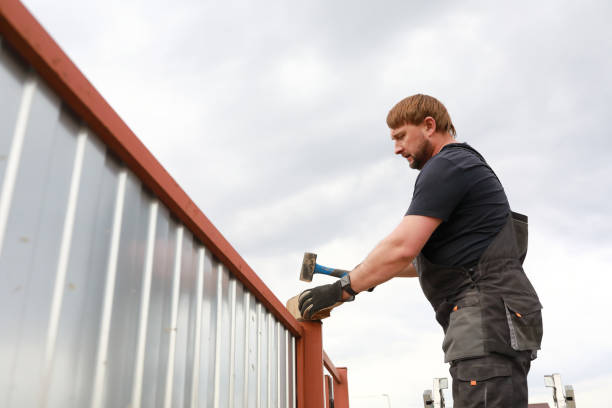
The process of installing a fence can vary greatly depending on several key factors. Understanding these variables is essential for homeowners, contractors, and property managers to plan effectively and minimize delays. Below, we explore typical installation times and the primary elements that influence how long it takes to complete a fencing project.
Typical Fence Installation Timelines
| Fence Type | Average Installation Time | Notes |
| Wooden Panel Fencing | 2–3 days | Includes common styles like lap or waney edge. |
| Chain-Link Fencing | 1–2 days | Quick installation for basic security needs. |
| Vinyl Fencing | 2–4 days | May require more time due to precise assembly. |
| Metal Fencing | 3–5 days | Depends on design complexity (e.g., wrought iron). |
Factors Impacting Fence Installation Time
- Site Size and Layout:
Larger properties naturally require more materials and labor hours to complete the installation process. Additionally, irregular layouts or slopes may necessitate extra adjustments. - Type of Fence Material:
Different materials have varying installation times due to their weight, assembly method, or need for specialized tools:- Wooden fences often involve cutting panels to size.
- Chain-link fences are quicker but may need tensioning wires.
- Decorative metal fences require precision alignment.
- Ground Conditions:
Soil type plays an important role in determining how easily posts can be set:- Sandy or loose soil allows for faster digging.
- Rocky or clay-heavy soil requires extensive effort and specialized equipment.
- Permit Requirements:
Some local regulations mandate permits before beginning construction. Acquiring these permits may delay the start date if not prepared in advance. - Weather Conditions:
Adverse weather such as rain or freezing temperatures can halt work temporarily due to safety concerns or material handling challenges.
Steps to Expedite Your Fence Installation
- Plan Ahead:
Determine property boundaries and obtain required permits early. - Hire Experienced Professionals:
Skilled contractors are equipped to handle potential challenges efficiently. - Prepare the Site:
Remove debris, mark underground utilities, and level uneven terrain before work begins. - Choose Pre-Assembled Panels Where Possible:
Pre-fabricated panels reduce onsite labor time significantly compared to custom-built fencing.
By understanding these factors in advance and working closely with your contractor or supplier, you can streamline the fencing process while avoiding unexpected delays.
Exploring Fence Options with a Trusted Fence Company in Gainesville FL: Lap, Waney Edge, and Decorative Panels
Choosing the right type of fence panel is essential when considering not only aesthetics but also durability, functionality, and budget. Each type of panel serves a unique purpose and caters to varying needs. Below, we delve into the specifics of lap panels, waney edge panels, and decorative options.
Expert Fence Repair Gainesville FL: Lap Fence Panels and More
Lap fence panels are one of the most commonly used types due to their affordability and simplicity. These panels consist of horizontal wooden slats that overlap each other.
Key Features: – Cost-effective: Lap panels are budget-friendly and readily available. – Privacy-focused: The overlapping design ensures minimal gaps between slats for added privacy. – Ease of installation: These panels are straightforward to install, making them a popular choice for DIY projects.
Applications: – Ideal for back gardens where privacy is prioritized. – Suitable for marking property boundaries in residential areas.
| Feature | Benefit |
| Overlapping design | Enhances privacy and weatherproofing |
| Treated wood option | Improved resistance to rot and decay |
Waney Edge Fence Panels
Waney edge panels offer a more rustic appearance compared to lap panels. They are constructed using waney-edged timber boards (boards with natural bark or uneven edges) arranged horizontally.
Key Features: – Natural look: Their irregular edges provide a countryside charm. – Economic choice: Like lap panels, they are relatively affordable. – Low-maintenance options available: Pressure-treated variants can withstand harsh weather conditions.
Applications: – Suitable for rural properties or gardens aiming for a natural aesthetic. – Often used in areas where decorative appeal takes precedence over high security.
| Comparison Metric | Lap Panels | Waney Edge Panels |
| Appearance | Simple design | Rustic charm |
| Privacy | High | Moderate |
| Cost | Affordable | Affordable |
Decorative Fence Panels
Decorative fence panels combine functionality with aesthetic appeal. They often feature intricate designs such as trellises, latticework, or curved tops.
Key Features: – Stylish designs: Available in various patterns to suit different tastes. – Versatility: Can be used standalone or combined with other fencing types. – Customizable materials: Options include wood, metal, or composite materials.
Applications: – Perfect for enhancing garden aesthetics while maintaining some level of privacy. – Suitable as partition fences within larger landscapes.
Popular examples include: 1. Lattice-topped fences – great for climbing plants like ivy or roses. 2. Curved-top decorative panels – add an elegant flair to formal gardens. 3. Horizontal slatted designs – modern and minimalist for urban homes.
Choosing the Right Fence Panel
When selecting between lap, waney edge, or decorative fence panels, consider the following factors: 1. Purpose: Is your priority privacy, aesthetics, or both? 2. Budget: Lap and waney edge tend to be more cost-effective than decorative options. 3. Environment: For rural settings, waney edge may fit better; whereas modern homes may benefit from sleek decorative styles.
Understanding these distinctions ensures that you invest in fencing that aligns perfectly with your requirements while enhancing your outdoor space’s overall appeal.
Exploring Picket Fencing: Features, Benefits, and Applications of Palisade Fencing
Picket fencing, often referred to as palisade fencing, is one of the most recognizable and versatile fence styles. Its classic and functional design makes it a popular choice for both residential and commercial properties. Below is an exploration of its key features, benefits, and common applications.
Features of Picket Fencing
- Vertical Slats:
Picket fences are characterized by evenly spaced vertical slats (pickets) attached to horizontal rails. These slats can be pointed, rounded, or shaped for decorative purposes. - Material Variety:
Picket fences are available in various materials, including: - Wood (e.g., cedar, pine): Offers a traditional aesthetic and natural look.
- Vinyl/PVC: Provides durability and low maintenance with options for customization.
- Metal (e.g., steel or aluminum): Ensures enhanced strength while retaining a sleek appearance.
- Customizable Heights:
Typically ranging from 3 to 4 feet in residential settings but customizable depending on the level of privacy or decorative needs. - Color & Finishing Options:
Options include painted finishes (e.g., white for a classic appearance) or natural stains that highlight wood grain.
Benefits of Picket Fencing
- Aesthetic Appeal:
Picket fences add charm and character to any property with their timeless design, often associated with traditional or cottage-style homes. - Boundaries Without Isolation:
The spacing between pickets provides clear property boundaries while maintaining visibility and openness. - Low Maintenance Options:
Vinyl picket fencing requires minimal upkeep compared to wood alternatives that may need periodic painting or staining. - Flexible Design Choices:
Homeowners can customize the style, height, spacing between pickets, and materials based on their preferences or property requirements. - Durability with Proper Care:
Wooden options can last decades with proper treatment against moisture or insects; vinyl or metal designs offer even greater longevity.
Applications of Palisade Fencing
- Enhances curb appeal by creating a warm and inviting look around front yards.
- Serves as an excellent option for defining garden spaces without obstructing views.
- Low picket fences can safely delineate children’s play areas.
- When combined with safety compliance standards, it can be used as pool fencing to enhance security.
- Community Perimeters & Parks:
Common in parks or community spaces where boundaries are necessary without creating visual barriers. - Commercial Applications (Low-Security):
Used around businesses seeking decorative yet functional enclosure solutions around outdoor seating areas or gardens.
| Material | Durability | Maintenance Needs | Cost |
| Wood | Moderate | Requires staining/painting | Affordable |
| Vinyl/PVC | High | Minimal maintenance | Moderate |
| Metal | Very High | Occasional cleaning/coating | Higher upfront |
Choosing the Right Style
The choice of picket fencing depends largely on factors like budget, intended use (aesthetic vs security), climate conditions in your area (affecting material durability), and personal preference regarding style.
By understanding its key features and benefits, homeowners can make informed decisions about incorporating palisade fencing into their landscaping plans while balancing functionality with aesthetics.
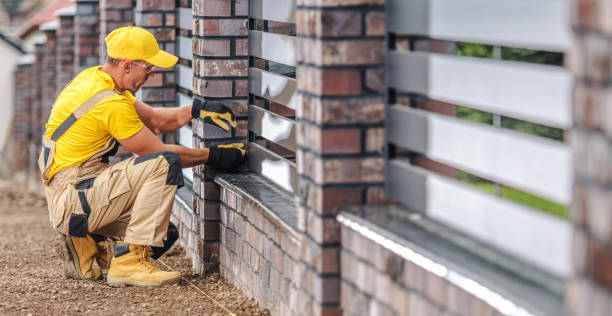
Discover the Benefits of Hiring a Fencing Contractor Gainesville FL for Durable and Stylish Metal Fencing
Metal fencing has long been a popular choice among homeowners, businesses, and institutions due to its unique combination of durability, security, and aesthetic versatility. Whether used for residential properties or industrial facilities, metal fences offer a robust solution that caters to both functional and decorative needs.
Key Features of Metal Fencing
- Durability: Metal fencing is highly resistant to wear and tear caused by environmental factors such as rain, wind, or extreme temperatures.
- Security: The strength of metal makes it an excellent deterrent against intruders. It can be customized with additional security features like spikes or anti-climbing designs.
- Low Maintenance: Most metal fences require minimal upkeep. Options like galvanized steel or powder-coated finishes resist rust and corrosion effectively.
- Aesthetic Appeal: Available in a range of styles—from ornate wrought iron to sleek modern aluminum—metal fences can enhance the visual appeal of any property.
Common Types of Metal Fencing
| Type | Description | Best Applications |
| Wrought Iron | Elegant and decorative; often custom-designed | Gardens, estates, high-end properties |
| Aluminum | Lightweight yet durable; corrosion-resistant | Residential homes near coastal areas |
| Steel | Extremely strong; available in galvanized options | Industrial facilities, high-security zones |
| Chain Link | Cost-effective; functional rather than decorative | Commercial spaces, sports fields |
Benefits of Choosing Metal Fencing
- Longevity
Thanks to its robustness, metal fencing often outlasts alternatives such as timber. Properly treated metal can endure decades with little visible degradation. - Customizability
From intricate scrollwork on wrought iron to clean modern lines in aluminum designs, metal fences cater to a broad spectrum of tastes and architectural styles. - Eco-Friendliness
Many metals used for fencing are recyclable, making them an environmentally friendly option for sustainable construction practices. - High Resistance
Unlike wooden fences that may warp or rot over time, metals are naturally resistant to pests such as termites as well as environmental damage.
Factors To Consider Before Installing Metal Fencing
- Cost: High-quality materials like wrought iron can be expensive upfront compared to other options like wood or vinyl.
- Weight: Some metals (e.g., steel) are heavy and may require professional installation.
- Potential Rusting: Although most modern treatments prevent corrosion effectively, older untreated installations may still face rust issues over time if not maintained properly.
Applications of Metal Fencing
- Residential properties seeking enhanced curb appeal combined with security
- Commercial establishments requiring perimeter protection
- Public spaces such as parks or government buildings
- Industrial complexes where durability is paramount
- Pool enclosures for added safety regulations compliance
By combining longevity with versatile design options, metal fencing continues to be an ideal choice for those prioritizing both security and aesthetics alike.
Composite Fencing Solutions: Modern, Durable, and Low-Maintenance Alternatives
Composite fencing has gained popularity as a modern solution to traditional wood and metal fencing. By combining recycled wood fibers and plastic polymers, composite fences offer a sustainable, durable, and low-maintenance alternative for homeowners and businesses alike. Let us explore the unique features of composite fencing, why it is an excellent choice for various applications, and how it compares to other materials.
Key Features of Composite Fencing
- Durability: Resistant to rot, warping, splintering, and insect damage.
- Sustainability: Often made from recycled materials, making it an eco-friendly option.
- Low Maintenance: Requires minimal upkeep—no need for staining or sealing.
- Weather Resistance: Withstands extreme weather conditions without fading or cracking.
- Variety of Designs: Available in a range of colors, finishes, and styles that mimic the look of natural wood while offering superior performance.
Benefits of Composite Fencing
- Longevity
Unlike timber fences that may need regular repairs or replacements over time due to wear-and-tear or environmental factors, composite fences last significantly longer—often up to 25–30 years with proper care. - Cost-Effectiveness Over Time
While the initial investment in composite fencing may be higher compared to traditional materials like wood or vinyl, the long-term savings on maintenance costs (e.g., paint, varnish) make it a cost-effective solution. - Aesthetic Appeal
Composite fences are available in modern designs with rich textures that resemble natural wood patterns but do not age like timber. - Eco-Friendliness
By utilizing recycled plastic and reclaimed wood fibers in production processes, composite fencing reduces waste while contributing to sustainable construction practices.
Applications
- Privacy screens for backyards or patios.
- Boundary markers for homes or offices.
- Pool enclosures due to their moisture-resistant properties.
- Decorative partitions in landscaped gardens.
Comparison Table: Composite vs Traditional Materials
| Feature | Composite Fencing | Wooden Fencing | Metal Fencing |
| Durability | High | Moderate (requires upkeep) | High |
| Maintenance Required | Minimal | High | Moderate |
| Sustainability | Eco-friendly materials | Natural but less durable | Less eco-friendly |
| Aesthetic Versatility | Wide range of designs | Classic look | Modern/industrial styles |
| Cost (Initial) | Higher upfront | Lower upfront | Moderate |
| Lifespan | 25–30 years | 10–15 years | 20+ years |
Tips for Installation and Care
- Follow the manufacturer’s guidelines during installation to ensure stability.
- Clean periodically with water and mild soap to remove dirt or debris.
- Avoid using abrasive cleaning agents or tools that could damage the surface finish.
Investing in composite fencing offers a blend of practicality and contemporary design that enhances property value while reducing environmental impact. With its numerous advantages over traditional options like wood and metal fencing, it caters perfectly to those seeking durability coupled with style.
Post and Rail Fencing: Ideal Options for Agricultural or Equine Properties
Post and rail fencing is a popular choice for agricultural or equine properties due to its simplicity, durability, and practicality. Whether you are looking to enclose fields, paddocks, or riding arenas, this timeless fencing solution offers a blend of functionality and aesthetic appeal. Below, we explore the features of post and rail fencing, the materials commonly used, benefits it offers, and considerations when installing it.
Features of Post and Rail Fencing
Post and rail fencing is characterized by:
– Horizontal Rails: Typically two to four horizontal wooden or metal rails span between posts.
– Vertical Posts: Posts are spaced evenly along the fence line to provide structural support for the rails.
– Open Design: Unlike other solid panel fences, this type has large open spaces between rails, allowing visibility while maintaining boundaries.
It is often chosen for its rustic appearance that blends well with rural landscapes. The design also allows animals to see through the fence clearly, reducing the risk of panic compared to solid fences.
Common Materials Used
| Material | Benefits | Considerations |
| Timber | Natural aesthetic; widely available | Requires regular treatment to prevent rot and decay |
| Vinyl (PVC) | Low maintenance; weather-resistant | Higher cost; less traditional appearance |
| Metal (Steel/Aluminum) | Extremely durable; resistant to pests | More expensive; may require painting for aesthetics |
Benefits of Post and Rail Fencing
- Cost-Effective Installation: Due to its simple design with fewer materials required compared to solid panel fences, post and rail fencing is an economical option for large areas.
- Flexibility in Use: Suitable for various applications including livestock containment, field boundaries, or decorative purposes on property lines.
- Safety for Livestock: The open structure reduces risks like injuries from entanglement while ensuring animals stay within designated areas. Horses especially benefit from this style as it minimizes chances of damage caused by kicking solid barriers.
- Ease of Maintenance: With fewer components compared to other types of fencing systems, post replacements or repairs can be done with minimal effort.
Factors to Consider Before Installation
When planning a post and rail fence installation on your agricultural or equine property, take into account these factors:
– Soil Type: Ensure that your soil can adequately support wooden or metal posts over time without tilting or sinking. – Fence Height: Choose appropriate heights based on animals being enclosed (e.g., higher fencing may be needed for horses).
– Weather Conditions: In areas prone to extreme weather conditions such as heavy rain or snow load, opt for treated wood or metal materials that resist deterioration. – Local Regulations: Check local zoning laws regarding fence heights or types allowed in agricultural zones.
Design Enhancements
While basic post-and-rail fences are functional on their own, you can enhance their aesthetic value by considering additional elements such as: – Adding wire mesh between rails for better enclosure without obstructing views. – Staining timber rails in natural tones for improved longevity while maintaining their rustic appeal. – Installing gates matching the style of your fence at key access points.
Post-and-rail fencing remains one of the most reliable choices for rural properties requiring durable yet visually pleasing boundaries. By selecting suitable materials and tailoring installation details like height or spacing according to specific needs, it’s possible to create a long-lasting solution that effectively protects livestock while complementing your property’s landscape aesthetics.
- Effective Solutions for Fence Repair Gainesville FL: Addressing Common Problems
- Expert Fence Installation Gainesville FL: Repair Problems and Long-Lasting Solutions
- How Long Does a Fence Company Gainesville FL Take to Install a New Fence for Your Property
- Factors That Impact the Duration of Fence Installation Gainesville FL Projects
- Essential Tips to Consider When Hiring a Fence Company Gainesville FL for Your Next Project
- Key Factors to Consider When Choosing a Fence Company Gainesville FL