A well-maintained fence is essential for both functionality and aesthetic value. However, over time, fences can face a variety of issues due to weather conditions, wear and tear, or improper installation. Addressing these problems promptly with expert solutions ensures your fence remains durable and effective for years to come. Below are some of the most common fence repair problems and professional approaches to solving them.
1. Leaning or Tilted Fence Posts
Leaning fence posts are often caused by soil erosion, improper installation, or rot in wooden posts. If not addressed quickly, this can compromise the structural integrity of your entire fence.
Expert Solutions: – Reinforce the Post: Remove loose soil around the base of the post and add concrete to stabilize it. – Replace Damaged Posts: If rot or decay is significant, replace the affected post entirely. – Install Braces: Use metal brackets or braces for added support on weak posts.
Pro Tip: Ensure proper drainage at the base to prevent water accumulation that leads to rot.
2. Rotted or Damaged Fence Boards
Wooden fences are vulnerable to moisture damage, leading to rotted boards that weaken over time. Damaged boards not only reduce structural support but also affect the overall appearance of your fence.
Expert Solutions: – Replace individual planks with new ones made from treated wood. – Apply wood sealant or paint to prevent further water damage. – Inspect regularly for early signs of rot such as discoloration or soft spots.
| Signs of Rot | Solutions |
| Discoloration | Sand and refinish |
| Soft spots | Replace affected area |
| Mold growth | Clean with bleach solution |
3. Broken or Loose Hardware
Hinges, screws, nails, and latches can loosen over time due to regular use. This issue compromises both security and functionality.
Expert Solutions: – Tighten all screws and hinge bolts using appropriate tools. – Replace rusted hardware with galvanized materials resistant to corrosion. – Lubricate moving parts like gate hinges regularly for smoother operation.
4. Cracks in Vinyl Fences
Vinyl fences offer durability but can develop cracks due to extreme weather conditions or impact from heavy objects.
Expert Solutions: 1. Clean the damaged area thoroughly with soap and water. 2. Use vinyl repair kits (available at most hardware stores) that include adhesive compounds specifically designed for plastic surfaces. 3. For extensive damage, consider replacing entire sections instead of patch repairs.
5. Warping or Sagging Fence Panels
Warping occurs primarily in wooden fences exposed to excessive heat or moisture. Meanwhile, sagging panels may result from insufficient support between posts.
Expert Solutions: 1. For warping: – Apply heat using a heat gun carefully while straightening warped boards manually. – Repaint if necessary after straightening. 2. For sagging: – Add horizontal support beams between posts where needed. – Check post spacing during installation; ensure proper reinforcement along longer sections.
Long-Term Maintenance Tips
- Inspection: Conduct seasonal inspections for any visible damage such as cracks or loose components.
- Cleaning: Wash fences periodically using appropriate cleaning agents based on material type—wood cleaner for timber fences; soap solution works well for vinyl fences.
- Sealing/Staining: Protect wooden structures by resealing every 2–3 years depending on climate conditions in your area.
Investing time into preventive care paired with timely repairs will extend your fence’s lifespan significantly while maintaining its curb appeal effectively over many years ahead!
Tips from a Fence Company Gainesville FL on Fixing Leaning or Tilted Fence Posts
Leaning or tilted fence posts not only compromise the structural integrity of your fence but also diminish its visual appeal. Addressing this issue promptly and effectively is important to maintain both functionality and aesthetics. Below is an in-depth guide on how to deal with leaning or tilted fence posts.
How to Address Common Causes of Leaning Fence Posts with Fence Repair Gainesville FL
- Soil Erosion: Over time, soil around the post base can erode due to water drainage, causing instability.
- Rotting of Wooden Posts: Wooden posts may rot at ground level if they aren’t treated or protected from moisture.
- Weak Concrete Footings: Poorly installed or deteriorating concrete footings may lead to instability.
- External Pressure: High winds, overgrown vegetation, or accidental impact can push a post out of alignment.
Understanding the root cause will help in choosing the most effective repair method.
Tools and Materials Needed
- Shovel
- Post-hole digger
- Level (spirit level)
- Gravel (for better drainage)
- Quick-set concrete mix or expanding foam concrete substitute
- Drill and screws (if brackets are required)
- Replacement post (if necessary)
Having all tools on hand will make the process more efficient.
1. Evaluate the Damage
Inspect whether the post itself is damaged or if it has simply shifted in its footing. If it shows signs of extensive rot, cracking, or bending, consider replacing it entirely.
2. Remove the Post
Carefully dig around the base of the leaning post using a shovel until you can remove it from its socket. If it’s embedded in concrete, break away any loose pieces using a crowbar.
3. Prepare a New Base
Create a stable foundation by digging a hole that is approximately one-third as deep as the total height of your fence post (e.g., for an 8-foot post, dig down at least 2 feet). Add gravel at the bottom for improved drainage and stability before resetting your post.
4. Reinsert and Secure the Post
Place your post back into position and use a level to ensure it’s upright before securing it permanently: – Pour quick-set concrete into the hole around the base while keeping the post straight. – Allow sufficient curing time as instructed by your product’s guidelines. – For enhanced durability, consider using metal brackets at ground level where wood meets soil.
5. Tighten Fence Panels
Once stabilized, reattach any disconnected fence panels securely using screws or nails.
Preventative Measures for Long-Term Stability
To reduce future issues with leaning posts: 1. Improve Drainage Around Fence Posts: Ensure proper water runoff by sloping surrounding soil away from each post. 2. Use Treated Wood: Pressure-treated wooden posts resist rot and moisture damage more effectively. 3. Add Reinforcement: Consider installing metal braces on one side of each wooden post for additional support. 4. Inspect Regularly: Check periodically for early signs of tilt so problems can be addressed before worsening.
| Issue | Preventative Action | Frequency |
| Soil erosion | Install gravel bases | During installation |
| Rotting wood | Use pressure-treated posts | At installation |
| Weak footing | Use high-quality concrete | During repairs |
| External pressure | Trim overgrown vegetation nearby | Annually |
By following this approach, you’ll prolong your fence’s lifespan while maintaining its sturdy structure over time.
Hiring a Fencing Contractor Gainesville FL to Repair Rotted or Damaged Fence Boards
Fence boards are an integral part of any fence’s structure and appearance. Over time, exposure to weather elements such as rain, snow, and sunlight can take a toll on these boards. Rotted or damaged fence boards not only compromise the durability of the fence but also detract from its aesthetic appeal. Addressing these issues promptly can help extend the lifespan of your fence while maintaining its structural integrity.
Causes of Rotted or Damaged Fence Boards
- Moisture Exposure: Rain and humidity can lead to wood rot, particularly in untreated or poorly maintained fences.
- UV Damage: Prolonged exposure to sunlight can cause the wood to dry out, crack, or warp over time.
- Pests: Termites and other wood-boring insects can weaken the structural integrity of a fence board.
- Physical Impact: Accidental impacts from tools, vehicles, or falling branches may result in cracks or breaks.
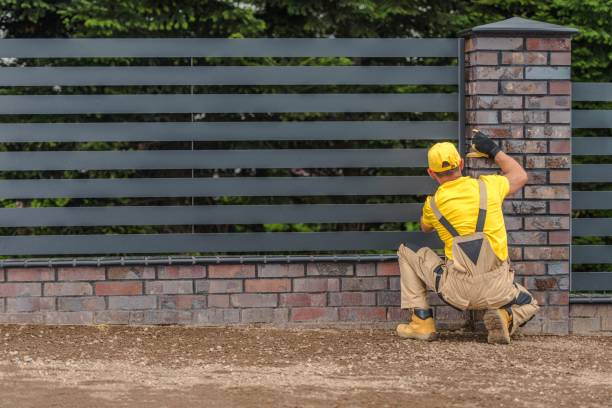
Steps for Repairing Rotted Fence Boards
- Inspect all boards for signs of rot, warping, or splitting.
- Determine whether individual boards need patch repairs or full replacement.
- Use a crowbar to gently remove damaged boards without harming adjacent ones.
- For localized rot, cut out only the affected section with a saw.
- Purchase durable materials that match your existing fence style and dimensions (e.g., cedar or pressure-treated wood).
- Sand down rough edges to ensure seamless installation.
- Before installing replacement parts, treat the new wood with a high-quality preservative to protect it from future moisture damage.
- Secure new boards using galvanized screws or nails to prevent rust.
- Ensure proper alignment with adjacent sections for consistency in appearance.
- Apply waterproof sealant or exterior-grade paint/stain on all repaired areas for added protection against weather elements.
Preventative Maintenance Tips
- Regularly inspect your fence for early signs of wear and tear.
- Reapply protective finishes every 2–3 years depending on climate conditions.
- Trim nearby vegetation such as bushes and vines that may trap moisture against your fence.
- Ensure proper drainage around your yard to prevent water pooling near the base of the posts and panels.
| Material Type | Resistance Level | Maintenance Frequency |
| Cedar Wood | High (Natural oils) | Every 2–3 years (sealant) |
| Pressure-Treated Wood | Very High | Every 3–5 years (stain/paint) |
| Composite Materials | Extremely High | Minimal maintenance required |
Taking proactive steps today can save you time and money in costly repairs down the road while keeping your property secure and visually appealing for years ahead.
Top Reasons Why Your Fence Deserves Expert Attention and Care
A well-maintained fence serves multiple purposes, from enhancing property security to boosting curb appeal. However, many property owners overlook the importance of proper fence care until issues arise. Understanding why your fence deserves expert attention and regular maintenance can save you time, money, and potential headaches in the long run. Below are some key reasons why professional care for your fence is non-negotiable.
1. Prolongs the Lifespan of Your Fence
Engaging experts to inspect and maintain your fence ensures that small problems are caught early before they escalate into costly repairs or replacements. Routine maintenance by professionals can help:
– Identify minor damages like cracks or loose boards.
– Prevent wood rot or rust from spreading due to untreated areas. – Address structural weaknesses caused by weather exposure or shifting soil.
By fixing these issues promptly, experts can extend the life of your investment significantly.
2. Expertise in Material-Specific Solutions
Not all fences are created equal, and each material requires specialized care. Professionals have in-depth knowledge of handling different types of fencing materials, such as:
– Wood Fences: Experts treat wood with sealants to protect against moisture damage and pests like termites. – Vinyl Fences: They use proper cleaning techniques that avoid scratches or discoloration while removing dirt build-up. – Metal Fences (Aluminum/Iron): Professionals apply anti-rust treatments and ensure weak points like joints are secure.
Hiring an expert ensures that each material receives tailored care based on its unique characteristics.
3. Ensures Safety Standards Are Met
Fences provide security for homes, businesses, and even agricultural properties—making their stability crucial for safety: – A weakened or leaning fence can collapse unexpectedly, posing risks to people and pets nearby. – Loose hardware may lead to gate failures or make it easier for intruders to access your property. Professionals check for these hazards during inspections, ensuring your fence remains not only functional but also safe.
4. Saves Time and Effort
Fence maintenance is often time-consuming and labor-intensive. Instead of spending weekends repairing damaged sections yourself: – Experts handle repairs efficiently while eliminating guesswork. – They use advanced tools and techniques unavailable to most homeowners.
This allows you to focus on other priorities while trusting that the job will be done right the first time.
5. Enhances Property Aesthetics
A poorly maintained fence can detract from the overall appearance of your property: | Issue | Impact on Appearance | Professional Solution | |—————————|————————————-|———————————————–| | Peeling paint/stains | Makes the fence look aged | Sanding/repainting with weather-resistant coats | | Warped or broken boards | Creates an uneven structure | Replacing affected parts with durable options | | Rusted metal components | Appears neglected | Cleaning/rust-proofing treatments |
Experts restore fences to their original beauty while protecting them from future wear-and-tear.
6. Cost-Efficiency in the Long Run
While hiring a professional may seem like a larger upfront cost compared to DIY repairs, it prevents recurring expenses down the road due to improper fixes or ignored problems: – Proper sealing prevents water damage that could require full replacements later. – Expertly tightened hardware avoids repeated repairs caused by loose gates or rails over time.
Investing in expertise today minimizes unforeseen expenses tomorrow.
Regularly enlisting professional care protects both the functionality and aesthetic appeal of your fence while saving resources over time. Whether it’s addressing minor wear-and-tear issues or conducting major repairs after a storm, having skilled hands manage your fencing needs ensures peace of mind for years ahead.
Top Reasons Why Your Fence Deserves Expert Attention and Care
Fences play a critical role in defining property boundaries, enhancing privacy, and boosting curb appeal. However, like any other structure exposed to the elements, fences are prone to wear and tear over time. While minor issues may seem manageable with a DIY approach, there are compelling reasons why your fence deserves expert attention. Below are some key points explaining why professional care is essential for maintaining your fence.
1. Expertise Ensures Effective Repairs
Professionals have the experience and knowledge to identify underlying issues that may not be immediately visible. What appears to be a minor crack or loose board could indicate more significant structural problems. Experts can:
– Conduct thorough inspections to assess the overall condition of the fence.
– Provide tailored solutions that address both surface-level damage and deeper concerns.
– Use specialized tools and techniques for precise repairs.
2. Prolonging the Lifespan of Your Fence
A well-maintained fence lasts significantly longer than one that is neglected or improperly repaired. Regular expert care can:
– Prevent small problems from escalating into costly repairs or replacements.
– Ensure materials are treated appropriately to resist weathering, rot, or insect damage.
| Material | Average Lifespan (DIY Repairs) | Average Lifespan (Professional Care) |
| Wood | 10–12 years | 15–20 years |
| Vinyl | 20–25 years | 25+ years |
| Metal (Aluminum) | 20–30 years | 30–40 years |
3. Enhanced Safety and Stability
A neglected or poorly repaired fence can pose safety hazards such as sharp edges, leaning sections, or broken hardware. By relying on experts:
– You ensure all components of your fence—posts, panels, hardware—are securely installed. – Any potential risks from unstable structures are mitigated effectively.
4. Cost-Efficiency in the Long Run
While hiring professionals might seem costly upfront, it is often more economical in the long term because:
– Proper repairs prevent recurring issues that would require frequent spending. – Professionals source high-quality materials that provide better durability and reduce future expenses.
5. Maintaining Aesthetic Appeal
An aging or poorly maintained fence can detract from your property’s appearance. Experts not only repair functional issues but also:
– Restore the original look of your fence through techniques like sanding, painting, or staining (for wooden fences).
– Recommend design upgrades if needed to match modern landscaping trends.
When Should You Call a Professional?
While certain tasks like cleaning debris off your fence might be manageable on your own, you should consider expert attention when dealing with:
1. Leaning posts or sections requiring realignment. 2. Stubborn rust spots on metal fences. 3. Rotted boards affecting large areas of wooden fences. 4. Broken gates that hinder functionality.
Investing in expert care for a damaged fence ensures durability while enhancing your property’s safety and visual appeal—a decision worth considering for any homeowner seeking long-term value from their fencing system.
Essential Guide to Choosing Between Fence Replacement and Repair
Maintaining the integrity of a fence is vital for both functionality and aesthetics. However, when damage occurs or wear sets in over time, homeowners are faced with a critical decision: should they repair the fence or replace it entirely? This guide will help you evaluate the key factors to consider when deciding between fence replacement and repair.

Key Factors to Consider
- Minor issues like a few loose boards or slight warping can often be repaired easily.
- Significant damage, such as extensive rot, multiple broken sections, or leaning posts across large areas, may warrant a replacement.
- Wooden fences are more susceptible to rot and insect damage but are often easier to repair section by section.
- Vinyl fences can last longer but may require full-panel replacements due to cracks or breaks.
- Metal fences (e.g., chain link or wrought iron) may only need spot repairs unless rust is widespread.
- If your fence is nearing the end of its lifespan (typically 15-20 years for wood, 25-30 years for vinyl), replacement may be more cost-effective in the long run.
- For newer fences with isolated damage, repairs are usually sufficient.
- Cost Comparison
Evaluate the cost of repairs versus full replacement:
| Factor | Repair Costs | Replacement Costs |
| Materials | Lower for small fixes | Higher due to bulk needs |
| Labor | Minimal for minor work | Extensive removal & install |
| Long-term Maintenance | May require ongoing fixes | Less frequent maintenance post-install |
- If patched repairs make your fence appear mismatched or uneven, replacing it could restore uniformity.
- Replacing an older design can also give your property an updated look.
- Repairing uses fewer resources and generates less waste compared to full replacement.
- If replacing, consider recycling old materials (e.g., wood for composting or metal recycling).
When Should You Choose Repair?
- Individual broken boards
- Minor rust spots on metal fences
- Hardware issues such as hinges coming loose
- Situations where costs of repair are significantly lower than replacement.
- When preserving existing materials aligns with sustainability goals.
When Should You Opt for Replacement?
- Leaning posts
- Significant rot spreading across sections
- Warped panels causing gaps
- Fences that have surpassed their expected lifespan.
- Cases where frequent repairs indicate that further investment in an aging structure isn’t worthwhile.
By carefully evaluating these points, you can make an informed decision regarding whether repairing or replacing your fence is the better choice based on durability, aesthetics, and long-term value needs.
Identifying the Most Common Issues That Require Immediate Fence Repairs
Fences play a crucial role in defining property boundaries, enhancing privacy, and boosting curb appeal. However, like any outdoor structure, fences are exposed to the elements and everyday wear and tear. Over time, various problems can arise that may compromise your fence’s functionality or aesthetics. Here’s a guide to identifying the most common fence issues that require immediate attention and repair.
1. Leaning or Tilted Fence Posts
One of the most noticeable issues with fences is leaning or tilted posts. This problem is often caused by:
– Soil Erosion: Over time, rainwater or improper drainage can lead to soil shifting around the base of your posts.
– Weak Post Foundations: Improper installation techniques or inadequate concrete footings can result in unstable posts.
– Rotting Posts: Wooden posts may succumb to rot due to prolonged exposure to moisture.
Why Address It Immediately?
Leaning posts can destabilize your entire fence structure over time, leading to more extensive damage if left unaddressed.
2. Rotted or Warped Wooden Components
Wooden fences are especially prone to rotting or warping due to moisture exposure. Common causes include:
– Inadequate Sealing: Without proper staining or sealing, wood is more susceptible to water damage.
– Insect Infestation: Termites and other pests can feed on untreated wood, weakening its structural integrity.
Signs of Rot or Warp:
– Boards become soft or spongy upon touch. – Visible cracks that compromise structural durability. – Panels deviating from their original alignment.
3. Broken or Loose Hardware
Metal components such as hinges, screws, brackets, and latches often experience wear over time due to rusting and regular use.
Common Hardware Issues Include:
– Hinges becoming loose due to stripped screws. – Latches no longer aligning correctly with gates. – Rust spreading from hardware onto wooden panels.
Impact on Fence Utility:
Broken hardware not only affects the functionality (e.g., gates failing to close securely) but also compromises security.
4. Cracked or Split Boards/Panels
Temperature fluctuations and excessive pressure (e.g., fallen branches) can lead to cracks in wood or other materials like vinyl panels.
Why Immediate Repair Is Necessary:
Cracks allow moisture penetration into deeper layers of wood, accelerating decay over time.
5. Fading Paints/Stains
While primarily aesthetic in nature, fading paint also indicates that protective coatings have deteriorated.
| Material | Signs of Fading/Damage | Recommended Action |
| Wood | Faded colors; peeling paint | Repaint; reseal |
| Vinyl | Discoloration | Replace affected panels |
| Metal | Rust patches | Sand & repaint |
Why Swift Repairs Are Essential
- You extend your fence’s lifespan.
- You save money by avoiding costly replacements later.
- You maintain a safe and visually appealing property boundary.
Understanding these common problems will help you take proactive steps in maintaining a long-lasting fence structure for your home or business property.
- Effective Solutions for Fence Repair Gainesville FL: Addressing Common Problems
- Expert Fence Installation Gainesville FL: Repair Problems and Long-Lasting Solutions
- How Long Does a Fence Company Gainesville FL Take to Install a New Fence for Your Property
- Factors That Impact the Duration of Fence Installation Gainesville FL Projects
- Essential Tips to Consider When Hiring a Fence Company Gainesville FL for Your Next Project
- Key Factors to Consider When Choosing a Fence Company Gainesville FL